Choosing the right personal injury attorney can make a huge difference in your life after an accident. If you pick wisely, you could receive a much higher settlement, less stress, and better support. If you pick wrong, you might lose time, money, and peace of mind. So, how do you find a lawyer who is not just good, but offers real value? This guide will help you understand what matters, what to watch out for, and how to make a confident decision—without feeling overwhelmed.
What Makes A Personal Injury Attorney “high-value”?
A high-value attorney is not simply the one with the lowest fees or biggest billboards. The value comes from a mix of skill, reputation, resources, and the ability to get results. Here’s what separates top attorneys from the rest:
- Proven track record: They consistently win cases, especially those similar to yours.
- Strong negotiation skills: They know how to push insurance companies for higher settlements.
- Clear communication: You understand every step, and they answer your questions.
- Supportive team: They have paralegals, experts, and investigators to build your case.
- Transparent fees: No hidden costs or confusing contracts.
For example, in 2022, the average payout for car accident claims handled by experienced attorneys was over $20,000, while self-represented victims received less than $5,000. This shows the impact of choosing wisely.
Key Factors To Consider Before Hiring
Finding a high-value attorney involves more than calling the first name you find online. Focus on these factors to guide your choice.
1. Experience With Your Case Type
Not all attorneys handle every kind of injury case. Some focus on car accidents, others on medical malpractice or workplace injuries. Ask how many cases like yours they’ve handled and what their outcomes were.
2. Local Knowledge
Lawyers familiar with local courts, judges, and insurance companies have an edge. They know what works in your area and what doesn’t.
3. Reputation And Reviews
Online reviews, client testimonials, and legal rankings can reveal a lot. Look for consistent positive feedback, especially about results and communication.
4. Success Rate
Success rate means the percentage of cases won or settled favorably. High-value attorneys often have rates above 80%, but be cautious—some attorneys only take easy cases to keep their stats high.
5. Fee Structure
Most personal injury attorneys work on a contingency fee—they only get paid if you win. Typical fees range from 25% to 40% of your settlement. Make sure you understand what happens if you lose.
6. Resources And Team
Top lawyers don’t work alone. They have a team for research, paperwork, and expert witnesses. This helps your case move faster and stronger.
Comparing Attorney Qualifications
To help you see the differences, here’s a comparison of typical attorney qualifications:
| Qualification | Low-Value Attorney | High-Value Attorney |
|---|---|---|
| Years of Experience | 1-3 | 10+ |
| Case Type Expertise | General | Specialized |
| Success Rate | Below 60% | Above 80% |
| Client Reviews | Mixed or Poor | Consistently Positive |
| Team Support | Solo | Paralegals, Experts |
Questions To Ask In Your First Meeting
When you meet with a potential attorney, bring a list of clear questions. Their answers will show if they’re the right fit.
- How many cases like mine have you handled?
- What was your largest settlement for a similar injury?
- Who will work on my case—just you, or a team?
- How will you keep me updated?
- What is your fee structure, and are there extra costs?
High-value attorneys answer confidently and clearly. If they avoid questions, that’s a red flag.
Understanding Contingency Fees
Contingency fees are common in personal injury cases. Here’s how they work:
- You pay nothing up front.
- The attorney gets a percentage of your settlement.
- If you lose, you pay nothing or just expenses.
But, not all fees are equal. Some lawyers charge extra for paperwork or expert witnesses. Ask for a written breakdown.
Typical Contingency Fee Ranges
| Settlement Amount | Attorney Fee (33%) | Client Receives |
|---|---|---|
| $30,000 | $9,900 | $20,100 |
| $100,000 | $33,000 | $67,000 |
| $500,000 | $165,000 | $335,000 |
This helps you see how much you might actually receive.
Red Flags: Signs Of A Low-value Attorney
Even if someone is friendly, they may not offer high value. Watch for these warning signs:
- Lack of specialization: They take any case, not just injury.
- Poor communication: Slow replies or unclear answers.
- No team support: Handling everything solo.
- Hidden fees: Surprise costs after you sign.
- Bad reviews: Multiple complaints about results or attitude.
If you notice any of these, keep searching.
Common Mistakes When Choosing
People often make simple mistakes that cost them later. Avoid these:
- Picking the first attorney you find online.
- Choosing by lowest fee, not quality.
- Ignoring reviews and testimonials.
- Not asking about case experience.
- Forgetting to check fee details.
For example, many people don’t realize that some attorneys charge for expert witnesses, which can be thousands of dollars extra. Always ask about every possible cost.
How To Research Attorneys Effectively
Don’t trust ads alone. Use these steps to research:
- Search for attorneys specializing in your injury type.
- Check reviews on Google, Avvo, and legal directories.
- Visit their official websites for case results and team info.
- Call and ask about their process and fees.
- Compare at least three options before deciding.
You can also check state bar associations for records of discipline or complaints.
Practical Tips For A Strong Attorney-client Relationship
A good relationship makes your case smoother and less stressful. Here’s how to build it:
- Set clear expectations: Agree on timelines and communication.
- Be honest: Share all details, even embarrassing ones.
- Ask questions: Never feel bad for asking about your case.
- Stay organized: Keep copies of all documents and emails.
If you follow these tips, your attorney can help you more effectively.
Comparing Law Firm Sizes: Does Bigger Mean Better?
Some people think large firms are always better. That’s not true for everyone. Here’s how sizes compare:
| Firm Size | Advantages | Disadvantages |
|---|---|---|
| Small Firm | Personal Attention, Flexible Fees | Limited Resources |
| Medium Firm | Balanced Resources, Good Support | May Have Less Specialized Experience |
| Large Firm | More Resources, Expert Teams | Less Personal Attention |
Choose based on your needs. If your injury is complex, a bigger team may help. If you value direct contact, a small firm could be better.

Two Insights Beginners Often Miss
- Case type matters more than reputation. A lawyer famous for car accidents may not be right for medical malpractice.
- Settlement negotiation is a skill. Some attorneys settle quickly for less to avoid extra work. Ask about their approach.
If you keep these in mind, you’ll make a smarter choice.
When To Switch Attorneys
If you’re unhappy, you can change attorneys—even in the middle of your case. Reasons to switch include:
- Poor communication
- Delays without explanation
- Unexplained fees
- Losing trust
Switching is easier early in the process. If your attorney won’t answer or resolve problems, consider other options.
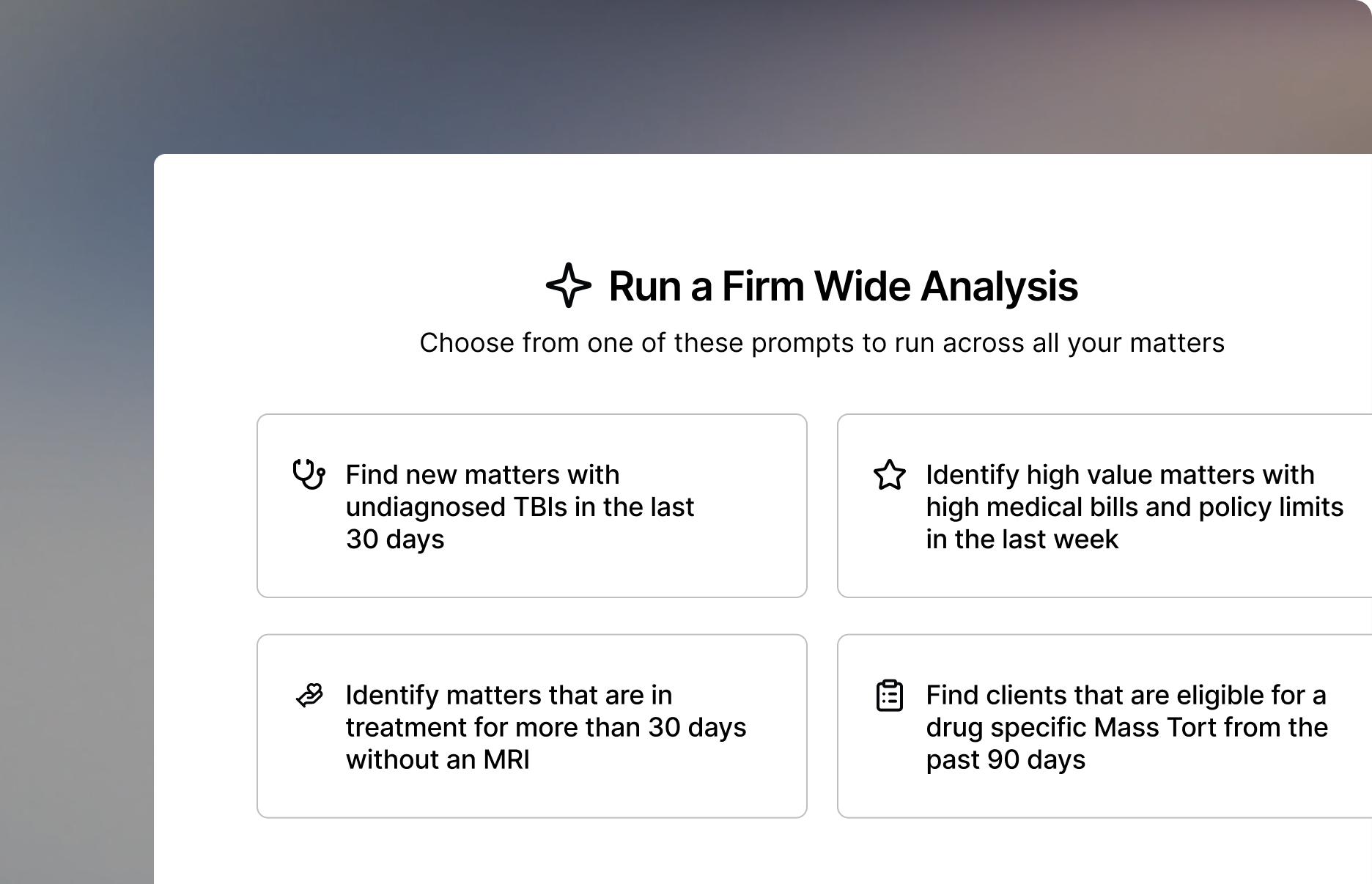
Resources For Finding High-value Attorneys
You can use trusted directories and bar associations to find good lawyers. For example, the American Bar Association offers a national referral service.
Frequently Asked Questions
What Should I Bring To My First Meeting With A Personal Injury Attorney?
Bring all documents related to your accident. This includes police reports, medical bills, photos, and insurance letters. Also, write down your questions, so you don’t forget them.
How Long Does A Personal Injury Case Usually Take?
Simple cases may settle in 3–6 months. Complex cases, like medical malpractice, can take 1–2 years. The timeline depends on injury severity, evidence, and negotiations.
Can I Change Attorneys After Starting My Case?
Yes, you can switch attorneys. However, you may need to pay your first attorney for work already done. Try to decide early to avoid confusion or extra costs.
What Happens If I Lose My Case?
If your attorney works on a contingency fee, you usually pay nothing unless there are extra costs (like filing fees). Always ask about every possible expense before signing.
How Do I Know If An Attorney Is Right For My Case?
Choose someone with experience in your injury type, a good success rate, positive reviews, and clear communication. If you feel comfortable and informed, it’s a good sign.
Finding a high-value personal injury attorney is not just about money—it’s about trust, results, and support. Take your time to research, ask questions, and compare. The right attorney can help you recover more, faster, and with less stress. If you follow the advice in this guide, you’ll be ready to make a confident, informed choice that protects your future.

Read More:
- Best Product Liability Lawyers in the USA: Top Picks for 2024
- Best Lemon Law Lawyers for Defective Vehicle Claims: Top Picks
- How Much Does a Real Estate Attorney Charge Per Hour? Costs Explained
- Why You Need a Lawyer After a Serious Car Accident: Key Benefits
- Top Elder Law Attorneys for Medicaid Planning: Your 2024 Guide
- Best Legal Services for Small Business Owners in America: Top Picks
- Best Workers Compensation Lawyers for Injured Employees: Top Picks
- How to File a Class Action Lawsuit With a Lawyer: Easy Steps